
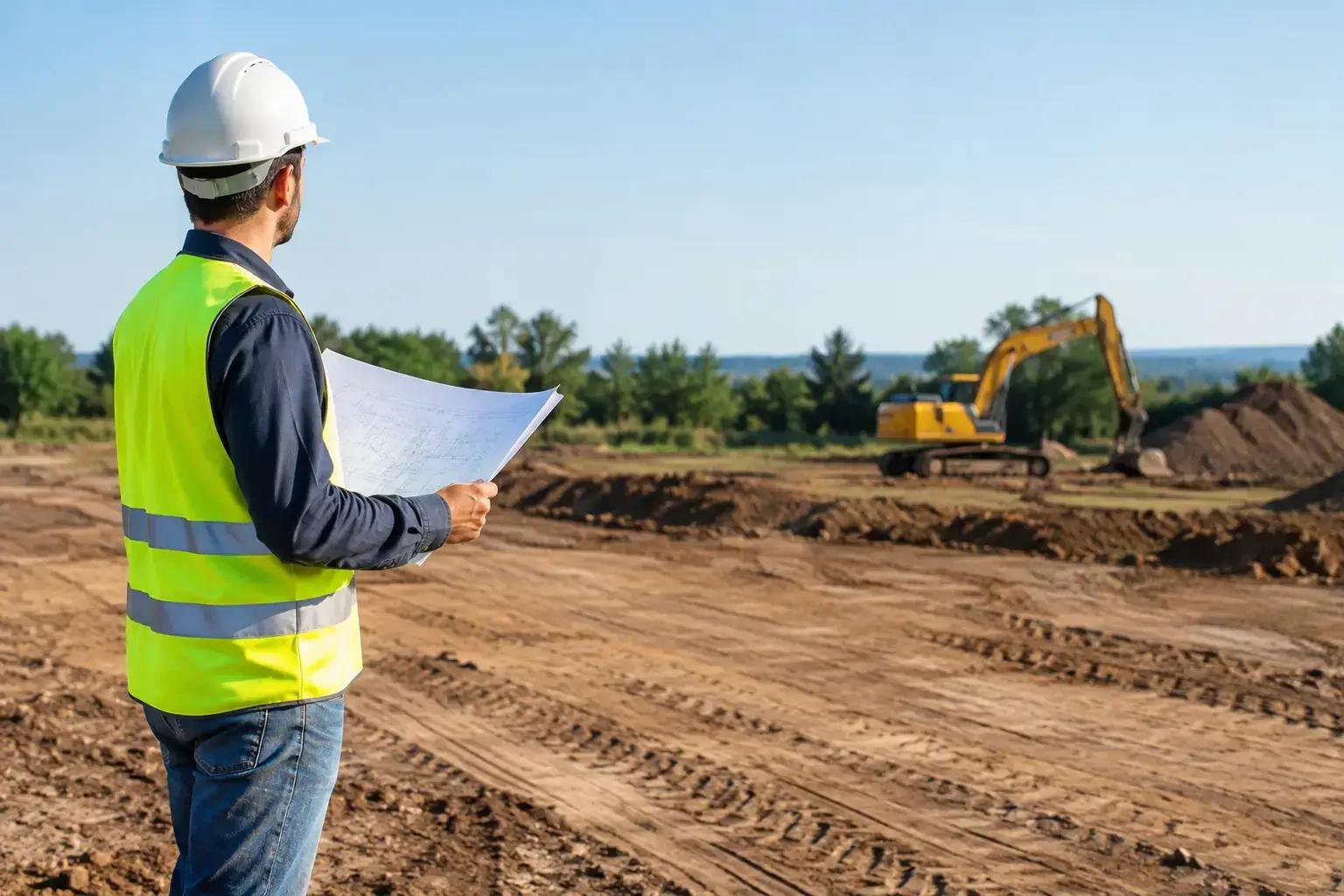
Preparing the Site for a Construction Area Without Costly Mistakes
Expert Insight
Site preparation is one of the most underestimated yet most important stages in playground construction. Mistakes in the groundwork often lead to drainage issues, safety concerns, maintenance problems, and a reduced lifespan of the equipment.
A playground may look impressive on a design proposal, but the site itself determines whether it will remain safe, dry, and attractive after the first winter. Site preparation for a playground is not a preliminary construction task that can be left to the contractor at the last moment. It is the foundation of a reliable installation, efficient maintenance, and peace of mind for the owner or operator of the facility.
Whether for a hotel, school, residential development, municipal park, or shopping center, the playground is part of the overall visitor experience. It must support active play without compromising safety, withstand intensive use, and integrate successfully with the surrounding environment. All of this begins with the right decisions beneath and around the play equipment.
Start with a Real Site Assessment
Before selecting a swing, rope structure, or multi-play tower, the site must be measured and analyzed. A rough sketch or photograph is rarely enough. Dimensions, elevation changes, soil-bearing capacity, equipment access, and underground utilities all need to be assessed.
A slope is not automatically a problem. Moderate terrain variations can add character to a space and create opportunities for terraces, climbing features, or natural materials. However, on steep or uneven ground, excavation, stabilization, and drainage costs can significantly affect the budget.
In such cases, it is usually more practical for the project to follow the natural terrain rather than forcing the playground onto a completely leveled surface.
It is also essential to identify the location of water supply, sewage, electrical, gas, and communication lines. Foundations, anchors, and drainage trenches should never be planned based on assumptions. Early surveying prevents costly interruptions and minimizes risks during installation.
What Should Be Evaluated Before Design Begins?
| Factor | Why Is It Important? |
|---|---|
| Site Dimensions | Determine the real capacity of the playground |
| Slopes and Elevation Changes | Affect drainage and construction costs |
| Soil Bearing Capacity | Determines the required foundation type |
| Underground Utilities | Prevent problems during excavation work |
| Access for Equipment | Impacts installation and logistics |
Access Matters as Much as Space
A playground may have sufficient square footage but still be difficult to build if there is no suitable route for deliveries and installation machinery. Check entrance widths, access surfaces, restrictions for heavy vehicles, and the possibility of organizing a temporary construction zone.
This is particularly important for hotels and operating educational facilities. Installation often needs to be coordinated with guest schedules, school activities, or the operation of a commercial facility. Proper preparation shortens construction time and minimizes disruption for visitors.
Frequently Overlooked Factors
- Entrance widths.
- Access for heavy equipment.
- Facility operating hours during installation.
- Safety of nearby visitors.
- Temporary circulation routes.
Design Safety Zones from the Beginning
The actual size of a playground is not calculated solely based on the footprint of the equipment. Every swing, slide, rope net, or climbing structure requires a designated free-fall and movement zone. These areas must remain free from trees, curbs, light fixtures, benches, fences, and other obstacles.
When safety zones are ignored during the planning stage, the result is often a compromise in the selected equipment or costly relocation of already installed elements. A better approach is to plan the playground as a complete environment, including circulation paths for children and caregivers, seating areas, viewing zones, entrances, green spaces, and maintenance access.
Shade also deserves attention. Trees can create a pleasant microclimate, but roots, falling branches, and persistent moisture beneath dense canopies need to be carefully evaluated. If natural shade is insufficient, shade structures can be integrated into the overall design without interfering with active play areas.
Drainage Is an Investment in the Long-Term Performance of the Playground
Water accumulation is one of the most common causes of poor performance in outdoor playgrounds. Puddles around posts, softening of loose-fill surfacing, soil erosion, and icy areas during colder months are more than just inconveniences. They limit the usability of the playground and can accelerate the deterioration of foundations and materials.
The site should incorporate a controlled drainage system designed around local rainfall conditions, existing infrastructure, and the chosen type of surfacing. In some cases, properly grading the terrain is sufficient. More complex projects may require drainage layers, channels, catch basins, or dedicated water infiltration and discharge solutions.
The choice of impact-absorbing surfacing directly affects this strategy. Rubber surfacing requires a stable and properly prepared base. Loose-fill materials such as engineered wood fiber or sand have different requirements regarding containment, depth, and maintenance. There is no universally correct solution. The right choice depends on expected usage intensity, age group, accessibility requirements, climate conditions, and the operator’s ability to provide regular maintenance.
Comparison of Common Playground Surfacing Types
| Surfacing Type | Advantages | Key Considerations |
|---|---|---|
| Rubber Surfacing | High safety level and easy maintenance | Requires a high-quality base and drainage |
| Wood Chips | Natural appearance and good impact absorption | Requires periodic replenishment and replacement |
| Sand | Cost-effective solution | Requires frequent maintenance and leveling |
| Hybrid Systems | Flexibility for different activity zones | Require thorough planning before installation |
Foundations Must Be Designed for the Structure
Premium playground systems are not decorative elements placed on completed surfacing. They are engineered structures that transfer loads into the ground. The type and size of foundations depend on the specific equipment, soil conditions, structure height, dynamic loads, and design requirements.
For wooden playgrounds, rope structures, and low ropes courses, the stability of support posts and the accuracy of installation levels are particularly important. Even small deviations in elevation can result in uneven loading, drainage problems, or complications during final assembly. Excavation and concrete works should therefore be carried out according to approved engineering drawings rather than adapted on site without technical evaluation.
It is also important to allow sufficient time for construction processes. Concrete requires the appropriate curing period to reach its design strength. The pressure to open a playground immediately after pouring foundations can create unnecessary risks. A realistic schedule protects both the investment and the reputation of the facility.
Expert Recommendation
Most expensive problems on newly built playgrounds are not caused by the equipment itself, but by compromises in drainage, foundations, and site preparation. Investing in proper groundwork delivers returns for many years to come.
Accessibility and Visibility Create Better Spaces
A properly prepared site benefits more than just the installation team. It helps parents, teachers, caregivers, and children with different needs use the space comfortably and confidently. Stable pathways, clearly defined entrances, and logically organized zones reduce barriers before a child even reaches the first play element.
Visibility is another critical factor. Seating areas and waiting zones should support natural supervision without requiring adults to cross active play routes.
For hotels and restaurants, this creates a more relaxed experience for families. For schools and municipalities, it enables easier supervision and better group management.
Lighting, fencing, and landscaping should be considered integral parts of the playground rather than separate additions. A light pole installed too close to a swing or a decorative planter positioned in a fall zone can create safety concerns, even when each element is high quality on its own.
Key Elements of a Well-Organized Playground
| Element | Benefit |
|---|---|
| Clear Entrances and Pathways | Improve accessibility |
| Viewing and Supervision Areas | Better visibility and peace of mind |
| Shaded Rest Areas | Improved comfort during warmer months |
| Quality Lighting | Improves safety and usability |
| Logical Zoning | Enhances user experience |
Coordination Between Design and Construction Prevents Costly Changes
The safest approach is to coordinate site preparation with the manufacturer and installation team from the earliest concept stage. This ensures that requirements for foundations, elevations, impact-absorbing surfacing, and installation access are integrated into the project at the right time.
For custom-designed solutions, this coordination becomes even more valuable because the shape and dimensions of the structure can be adapted to the site's specific opportunities and constraints.
A professional process requires clearly defined responsibilities: who conducts the site assessment, who performs excavation work, how foundations are approved, and when the site is ready for delivery and installation.
Quality control should be documented, particularly for public and commercial projects where safety and long-term operation remain the direct responsibility of the project owner.
Frequently Asked Questions
When should site preparation begin?
Site preparation should begin during the concept phase, before selecting specific playground equipment. This helps avoid costly changes and redesigns later in the project.
How important is drainage?
Drainage is one of the most important factors for long-term playground performance. It helps prevent moisture-related issues, erosion, and premature surfacing damage.
Can a playground be built on sloping terrain?
Yes. In many cases, natural terrain can be used as an advantage when properly analyzed and incorporated into the design.
What most commonly increases project costs?
Unexpected excavation requirements, hidden utilities, inadequate drainage solutions, and design changes after construction has started are among the most common causes of budget overruns.
Why should the manufacturer be involved in site preparation?
Every play structure has specific requirements related to foundations, elevations, surfacing, and installation. Early coordination significantly reduces the risk of costly mistakes.
Edutain Attractions views the site as the first step in creating an environment where movement, imagination, and joy can thrive. When the foundation is prepared with precision, a playground does more than open on schedule — it becomes a valued part of the experience for families and communities for years to come.
The next important decision is not choosing equipment from a catalog. It is seeing the site through the eyes of a child, an engineer, and an operator at the same time. That is where a playground that performs successfully every day truly begins.

Maria Mihova
Published on: November 10, 2026 | Last Updated: November 10, 2026Founder & CEO at Edutain Attractions
Maria designs and delivers immersive, educational play experiences for hotels, municipal parks, and resorts worldwide. With over 15 years in international business development and adventure products, she builds play environments that combine safety, learning, and fun. Find out more about me
