

Why Is the Team Important in Project Execution?
A playground may look complete on opening day and still hide issues that appear only months later. That’s why the question of why the execution team matters is not formal. In play environments, it affects child safety, the value of the investment, the timeline for commissioning, and the reputation of the owner or operator.
For a project in a hotel, school, municipality, residential complex, or commercial venue, you are not simply buying equipment. You are creating an environment that must operate reliably for years, attract families, and meet specific technical and regulatory requirements. The most expensive mistakes usually don’t come from one obvious oversight, but from a lack of coordination between design, engineering, production, installation, and certification.
Why the team is decisive in project execution
A strong team sees the project as one connected system. The designer must understand how the idea will be manufactured and installed. The engineer must account for loads, terrain, materials, and safety zones. The installation team must follow approved details, and quality control must verify every critical step before the site is handed over.
When these roles work separately, “gaps” appear between them. Important information often gets lost there: changes in terrain levels, substituted materials, inaccurate foundation dimensions, or missing documentation. The result can be delays, dismantling of already installed elements, or costly corrections after opening.
At Edutain Attractions, the process is managed from initial concept and design through engineering, production, installation, certification, and documentation handover. This creates one clear responsibility for the entire outcome — not a chain of separate suppliers and subcontractors with different priorities. It ensures alignment, reduces risk, and delivers a playground that performs reliably long after commissioning.
Costly execution mistakes
Incorrectly defined safety zones
The free space around swings, slides, rope structures, and climbing elements is not leftover area — it is part of the equipment itself. If fall zones overlap incorrectly, if the surfacing is not selected according to the fall height, or if elements are placed too close to each other, the operational risk increases significantly.
Sometimes such issues are discovered only during final inspection. At that stage, relocating a single piece of equipment may require a new foundation, surfacing corrections, changes to lighting, or adjustments to landscaping. These are costs that professional planning prevents already at the drawing stage.
Unsafe or unsuitable equipment
An impressive appearance is not enough. The equipment must match the age group, the expected number of users, the level of supervision, and the character of the venue. A structure designed for older children is not automatically suitable for a kindergarten. A high‑traffic hotel zone has different needs than a small residential complex.
An unsuitable choice leads either to limited use or to excessive wear. In both cases, the investment fails to achieve its purpose — to create joy, movement, and a better experience for families.
Compromised foundations and installation
The foundation remains hidden, but it is precisely what carries the stability of the structure. Incorrect depth, improper leveling, unsuitable concrete, or deviations from the engineering plan can lead to wobbling, tilting, and premature wear.
Corrections after installation are rarely minor. They may require dismantling the equipment, removing surfacing, re‑pouring the foundation, reinstalling the structure, and temporarily closing the area. This is why on‑site quality control is far more economical than repairs afterward.
Materials that fail in real‑world conditions
Outdoor environments place high demands on wood, metal, ropes, connectors, and protective coatings. Moisture, UV exposure, temperature fluctuations, coastal climate, and intensive use require proper specification — not simply a lower initial price.
Non‑durable equipment can show visible damage in less than a year. This is not just an aesthetic issue. Damaged surfaces, loosened joints, and corrosion lead to additional maintenance, increased risk, and loss of visitor trust.
Professional execution begins long before installation
High‑quality execution starts with the right questions: Which children will use the area? What is the purpose of the investment — more family visits, an active school environment, longer guest stays? What is the terrain like? How will the space be maintained? What certificates and documents will be required at handover?
The answers define the design, material selection, structural solutions, and budget. Sometimes the largest piece of equipment is not the best solution. A well‑balanced combination of movement, imaginative play, climbing, and social interaction can be far more valuable — especially when it fits both the space and the visitor profile.
A project is successful when, after opening, it does not begin a series of corrections but begins its true role: giving children a safe place for movement, play, and development, and giving the investor a sustainable asset with clear long‑term value. Thoughtful planning and coordinated engineering ensure the playground performs reliably from day one.
FAQ
1. Why is the team critical in delivering a playground project?
Because a playground is a connected system, not a set of isolated items. Design, engineering, production, installation, and certification must work together. “The most expensive mistakes come from lack of coordination between design, engineering, production, installation, and certification.”
2. What execution mistakes cost the most?
Incorrect safety zones, unsuitable equipment, compromised foundations, non‑durable materials.
3. Why does safety depend on the team, not just the equipment?
Because safety is planned—fall zones, surfacing, structural logic, installation, quality control—not promised after installation.
4. What distinguishes a professional process from a risky one?
A professional process includes analysis → concept → design → engineering → production → installation → certification → documentation.
5. How can you evaluate whether a contractor is the right partner?
By checking whether they can deliver the full cycle, ask the right questions, ensure quality, and take full responsibility for the final result.
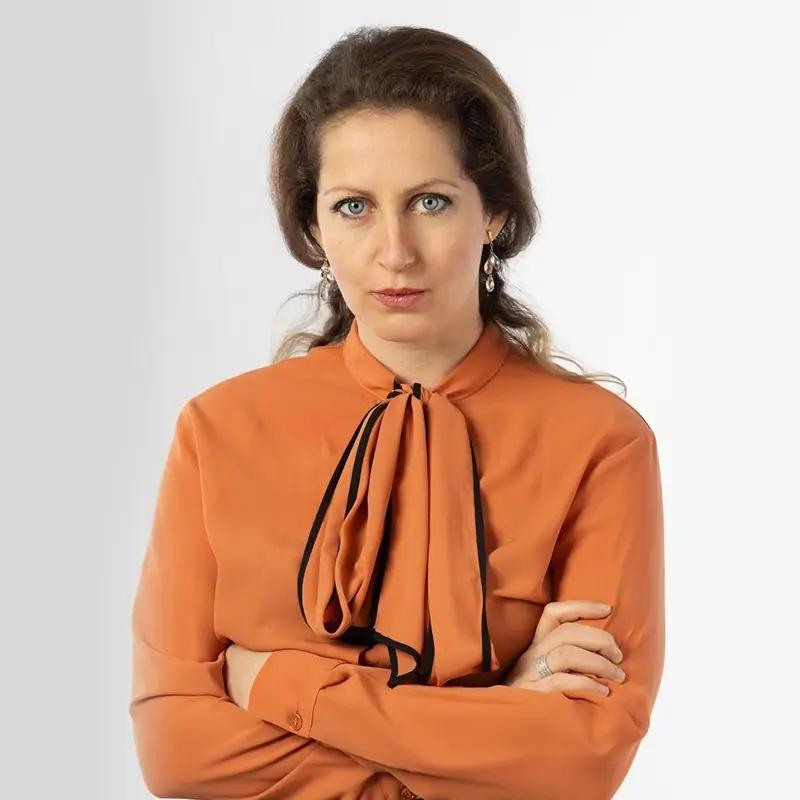
Maria Mihova
Published on: August 04, 2026 | Last Updated: August 04, 2026Founder & CEO at Edutain Attractions
Maria designs and delivers immersive, educational play experiences for hotels, municipal parks, and resorts worldwide. With over 15 years in international business development and adventure products, she builds play environments that combine safety, learning, and fun. Find out more about me
